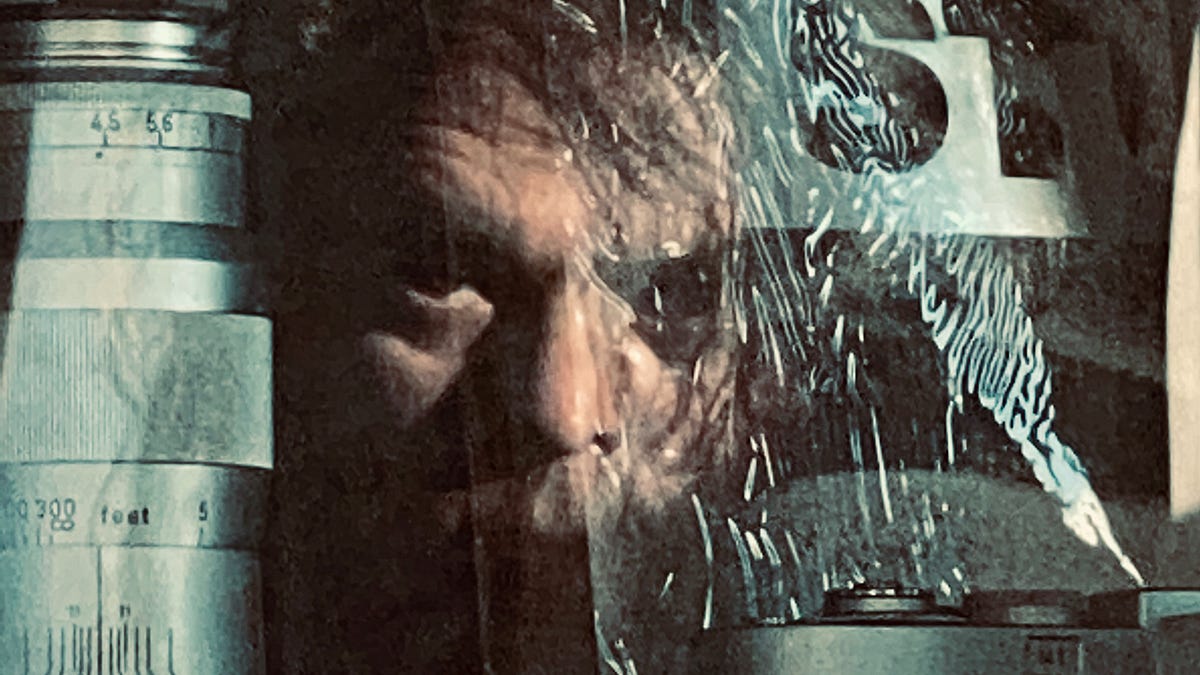
Bil Brown, from IQ4 to Instagram
You shoot a frame on a Phase One IQ4. One hundred and fifty-one megapixels. The sensor is larger than the 35mm frame that defined professional photography for sixty years, its closer to 645 format but smaller than 6x7. The tonal gradation in the file — the way light moves from the highlight of a cheekbone into the shadow of a collar — is a physical record of photons that arrived at that specific place and moment. It’s as close to the thing itself as a photographic apparatus can get.
You upload it to Instagram.
The platform receives 151 megapixels and returns 1.46. It compresses the file to JPEG, strips the color profile, and serves a 1080-pixel-wide image to an audience scrolling at a speed calibrated to hold attention for somewhere between one and three seconds. The tonal gradation you spent the morning chasing is now approximate. The fabric texture that justified the equipment is invisible. The image that exists in the world is not the image you made. It’s what the image became after surviving the infrastructure.
That ratio — 103 to one — is the central fact of photography in 2026.
Looking for Zhora (Above All Else, The Picture Has To Survive)
On cameras, printing, screens, distribution, and what it actually means to make images for publication now
 Bil Brown